Getting Started: What Every Senior Cyclist Needs
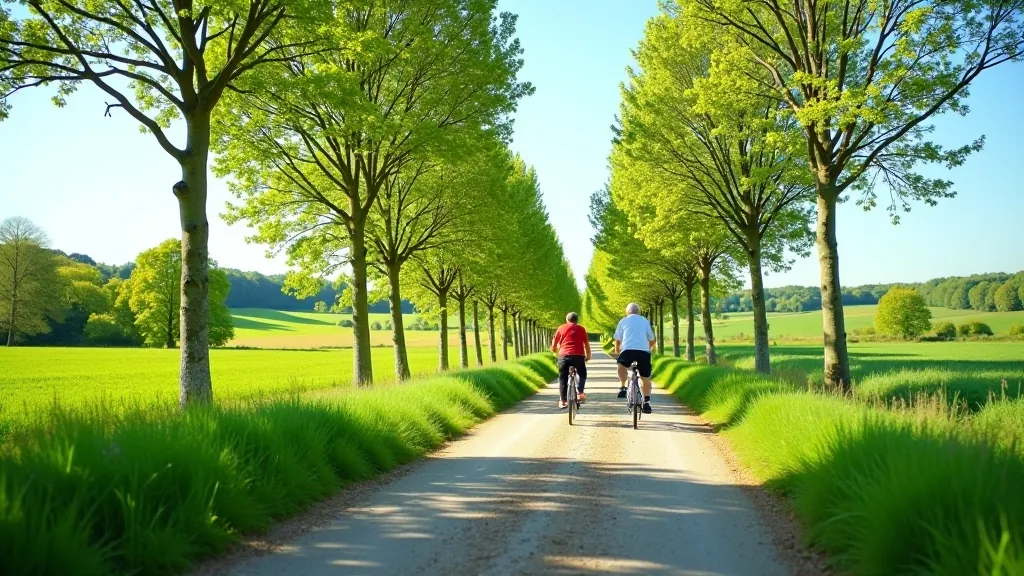
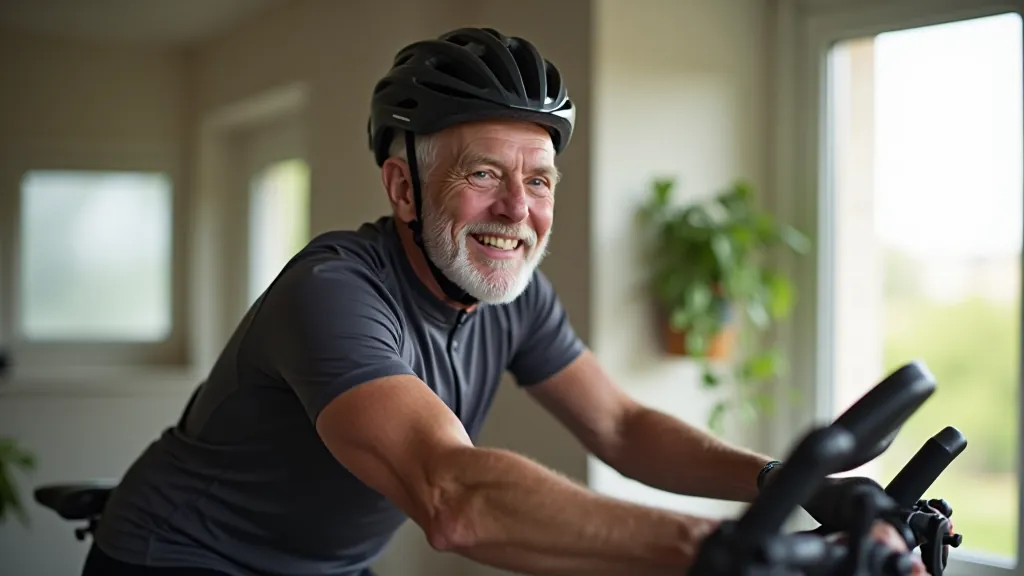
The right bike, proper safety gear, and realistic expectations. We'll walk you through everything.
Stretches before you ride, proper positioning on your seat, and how to recover if something does go wrong. Cycling doesn't have to hurt.
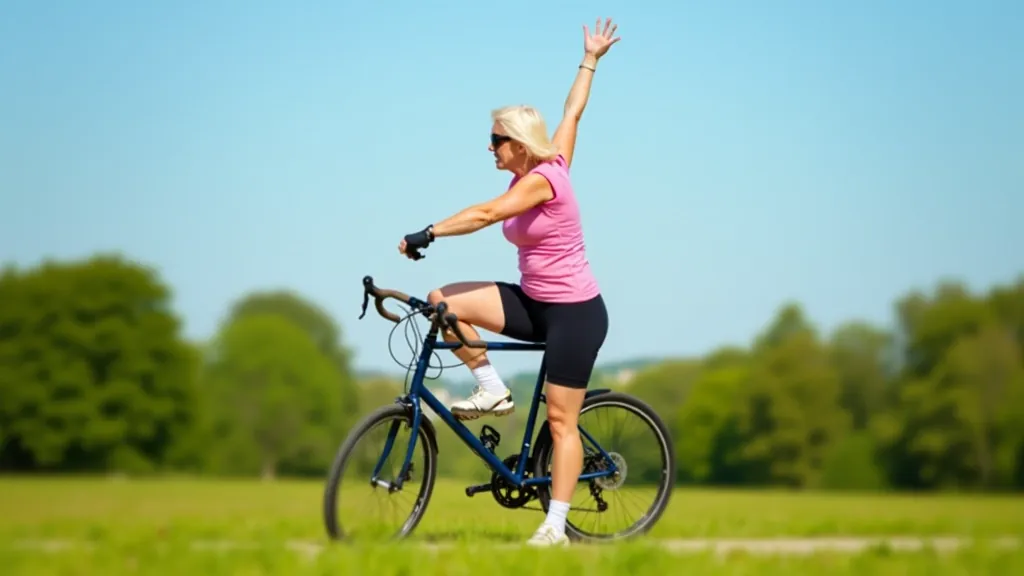

Before you even touch your bike, spend five to ten minutes preparing your body. Cold muscles don't move the same way as warm ones — they're tighter, less flexible, and more prone to injury. A good warm-up isn't complicated. Walk around your home for a couple of minutes, then do some gentle leg swings, arm circles, and a bit of light stretching.
The key is gradual movement. Don't bounce or force stretches. Hold each position for about 20 seconds and breathe steadily. We're not trying to become gymnasts here — we're just getting the joints and muscles ready for what's coming next. Most riders who skip this step end up with tight hamstrings or sore knees by the end of their ride.
This article provides general information about cycling safety and injury prevention for older adults. It's not a substitute for medical advice from a qualified healthcare provider. If you have existing health conditions, joint problems, or concerns about starting a cycling routine, consult your doctor or a physical therapist before beginning. Everyone's body is different — what works for one person may not work for another. Listen to your body and stop if you experience sharp pain or discomfort.
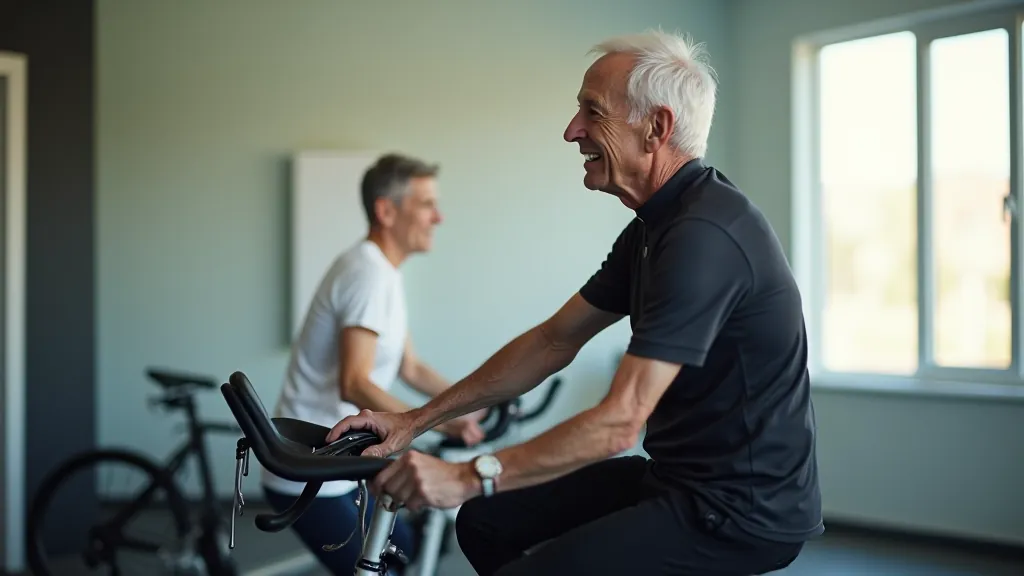
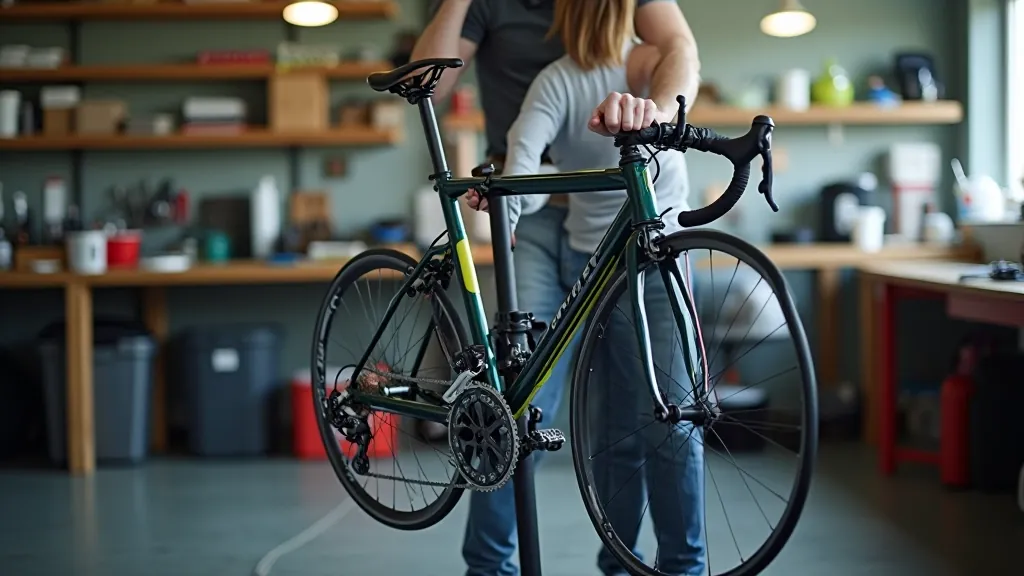
Here's something most people get wrong: your seat height. It sounds simple, but incorrect positioning is one of the biggest causes of knee and lower back pain in cyclists. Your seat should be high enough that when the pedal is at its lowest point, your knee has a slight bend — roughly 25 to 30 degrees. Not fully straight, not cramped. Just that gentle curve.
The fore-and-aft position matters too. When you're at the 3 o'clock pedal position, your knee should sit directly above the pedal axle. If it's too far forward or back, you're putting unnecessary strain on your joints. Take time to adjust your seat before you ride. It won't cost anything, and it'll change how your body feels after an hour on the bike.
Your handlebars should be at a height where you're not hunched over or reaching too far. A comfortable, upright position reduces strain on your neck and shoulders. You shouldn't feel like you're gripping the bars for dear life — a light grip with relaxed shoulders is the goal.
Cycling uses your legs, but your core keeps you stable and protects your back. A stronger core means better balance on the bike, less fatigue, and fewer injuries. You don't need to do 100 crunches. Just 10-15 minutes of gentle core work two or three times a week makes a real difference.
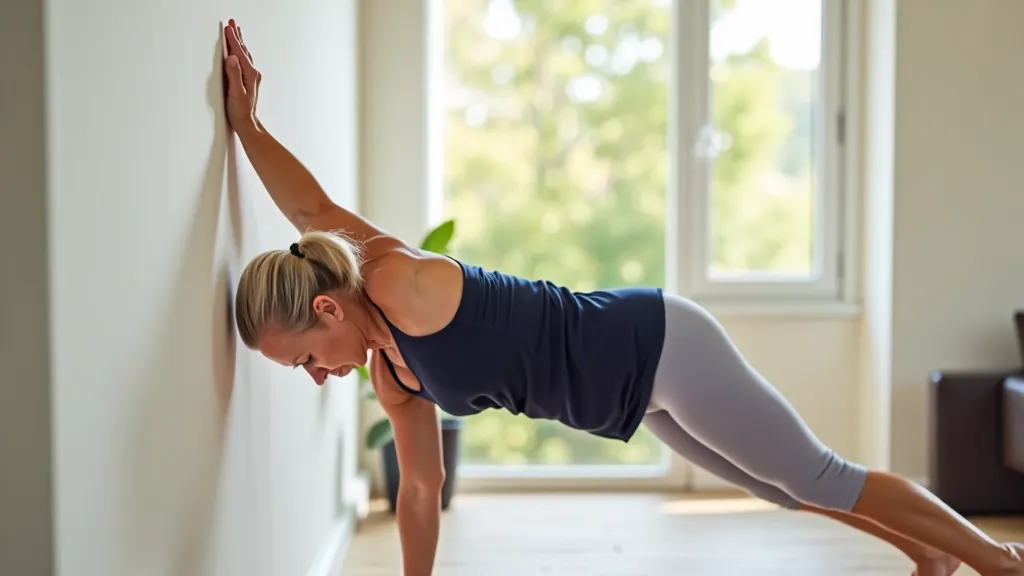
Wall planks are brilliant for this. Stand facing a wall, place your hands on it at shoulder height, and lean in so your body is at an angle. Hold for 20-30 seconds. Dead bugs work too — lie on your back, raise your arms and legs, and slowly lower them without touching the floor. Bird dogs are another favourite: on your hands and knees, extend one arm and the opposite leg, hold for a moment, then switch.
The truth is: Riders with decent core strength recover faster after longer rides and rarely complain about lower back pain. It's worth the small time investment.
After a ride, don't just stop and collapse on the sofa. Your body needs a cool-down period. Spend 5-10 minutes cycling at a very easy pace to let your heart rate come down gradually. Then do some static stretching — hold each stretch for 30 seconds, focusing on your quads, hamstrings, calves, and hip flexors.
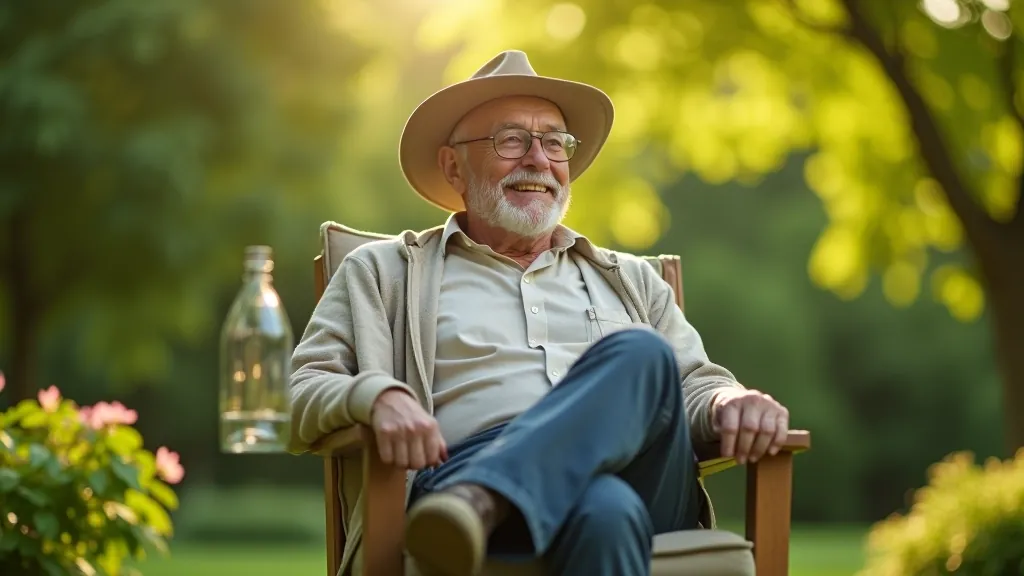
Drink water. Seriously. Most cyclists don't hydrate enough, and dehydration makes muscles cramp and tighten. Eat something with carbs and protein within an hour of finishing your ride — a banana with peanut butter, a yoghurt with granola, or a cheese sandwich. This helps your muscles repair and refuel.
Rest days matter. You don't need to ride every single day. Cycling three or four times a week with rest days in between actually builds strength faster than riding constantly. Your muscles repair and adapt during rest, not during the ride itself.
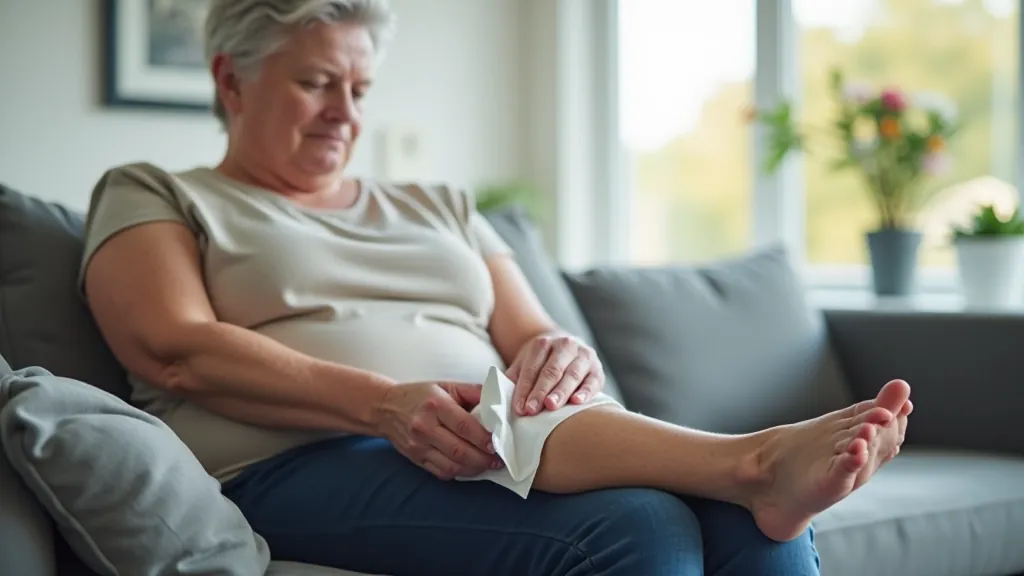
There's a difference between muscle soreness and actual injury. Soreness is normal — it's that dull ache the day or two after a harder ride. It goes away on its own. Injury is sharp, localized pain that gets worse, not better. If you feel a sharp pain in your knee, a stabbing sensation in your calf, or pain that makes you wince, stop riding and rest for a few days.
The old RICE method — rest, ice, compression, elevation — still works. Ice for 15 minutes at a time, several times a day if something's swollen. Wrap it gently with an elastic bandage. Keep your leg up when you're sitting. If the pain doesn't improve in a week, see a doctor or physiotherapist. It's better to take a week off now than to push through and end up out for three months.
Listen to your body. It's not being weak or overly cautious — it's being smart. You've got cycling years ahead of you if you take care of yourself now.
Cycling at any age is fantastic for your health — it's low-impact, it builds strength, and it's genuinely enjoyable. The difference between a frustrating experience and years of pain-free riding often comes down to these basics: warm up properly, set up your bike right, build your core, recover well, and listen when your body's telling you something's wrong.
You don't need to be an athlete or a mechanic to ride safely. You just need to be intentional. Spend a little time getting the fundamentals right, and you'll be the person at 70 who's still out exploring new routes and enjoying every minute of it. That's the goal.
Ready to explore some great cycling routes in your area?
Discover Local Routes